Summary of Site (9)

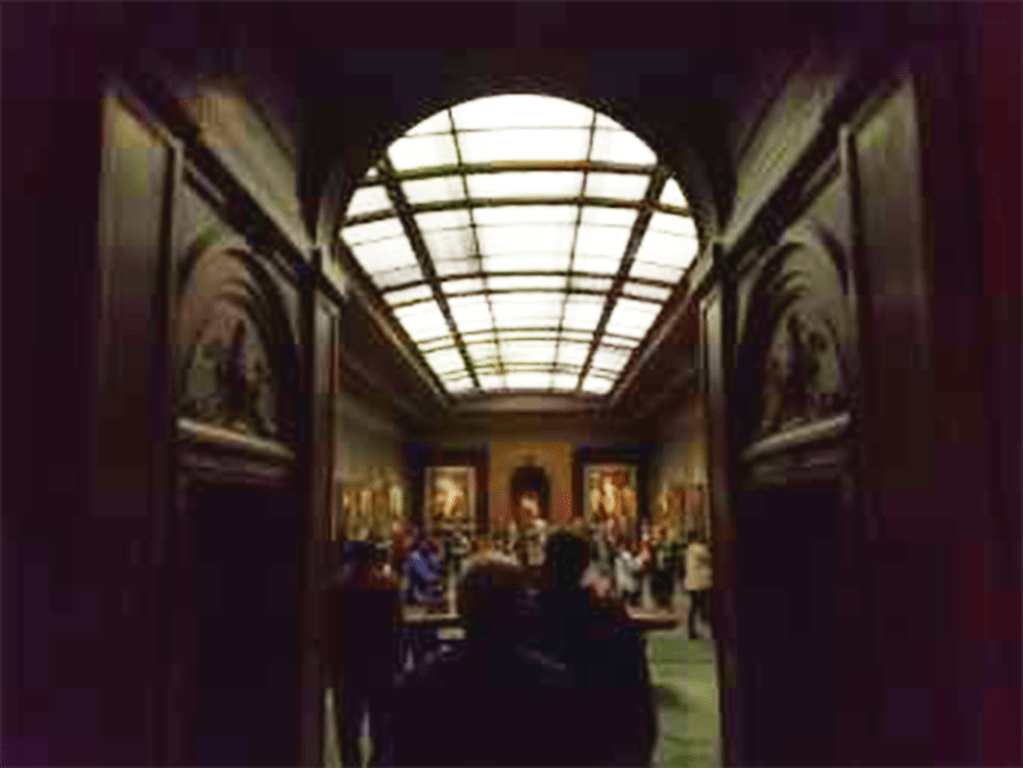
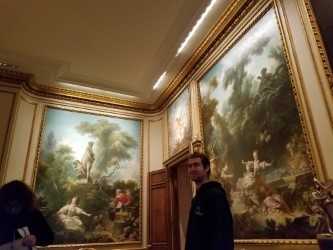
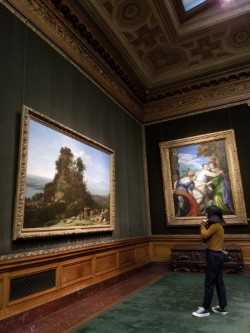
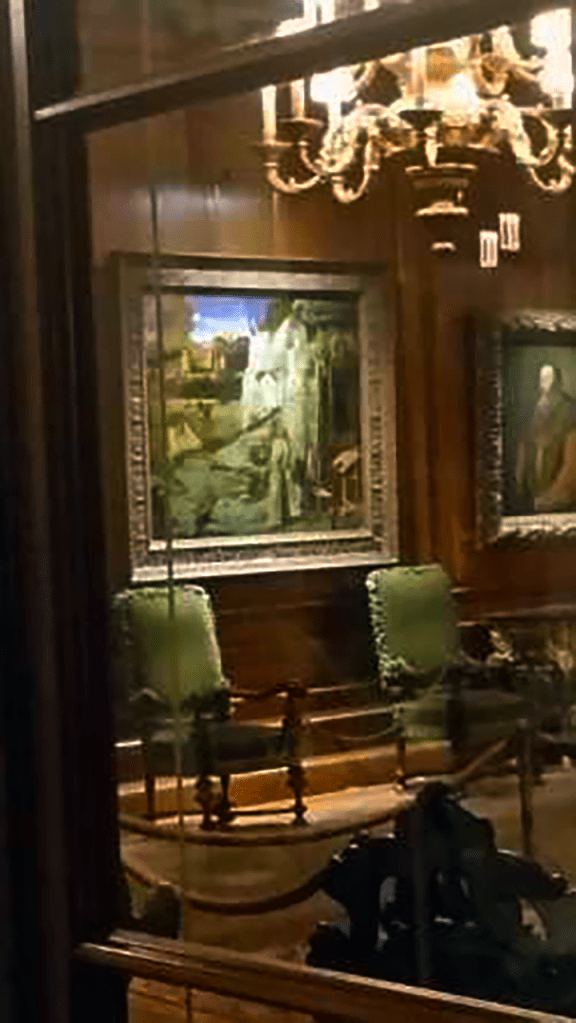
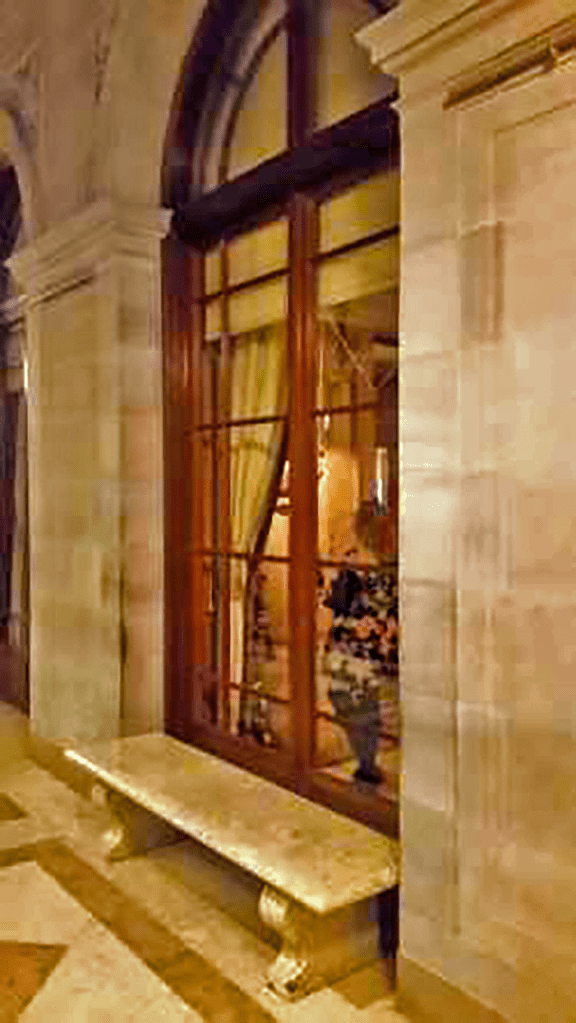
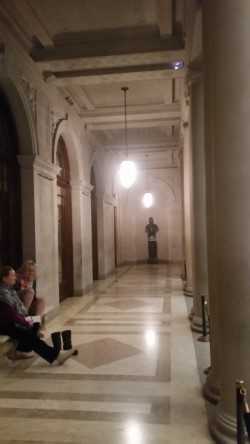
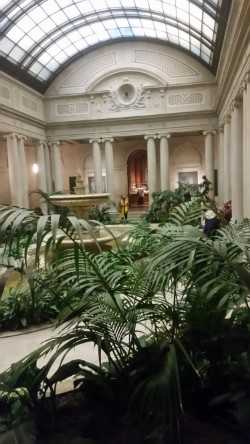
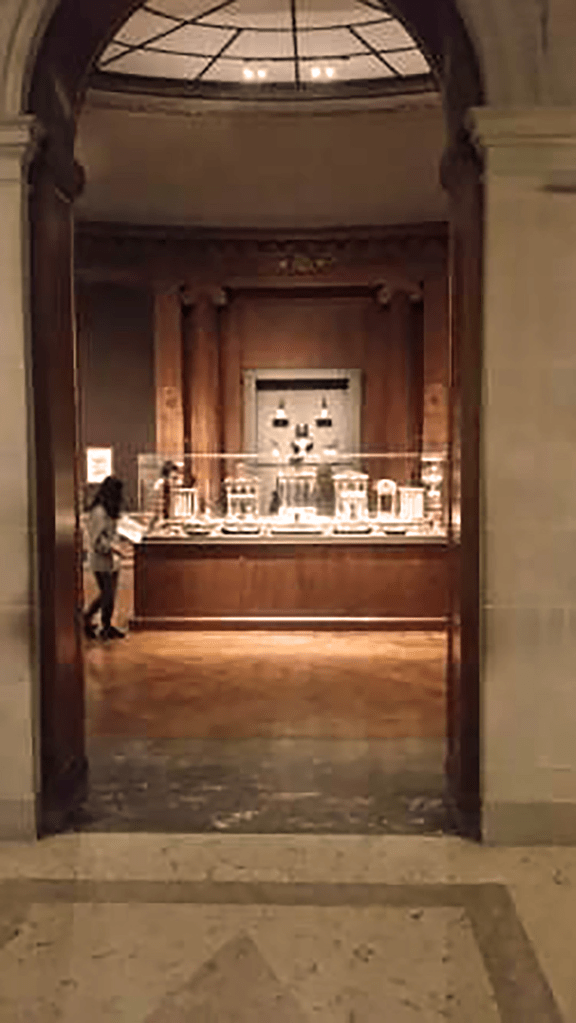
To summarize, The Frick collection is well worth the visit, Notable artists like Giovanni Bellini, Jan van eyeck, Rembrandt, and so many others it showcases some of the most famous artworks of the reinassance and does it in a way that bings you down to scale in a domestic setting, when your inside it almost docent feel like your in the hustle and bustle of nyc. The way the rooms are set up almost seem cinematic in a sense the way the light and spatial relationships play with and/or against each other makes for very different viewing experiences in the different rooms, which I found very interesting. The new designs that Selldoff has prosed will be interesting to see in the upcoming future. Its the little things like this that people walk past all the time that really make nyc stand out, that’s why its important to preserve buildings like this, as they truly are diamonds in the rocks.       

Strategies used to improve visitor experience (8)

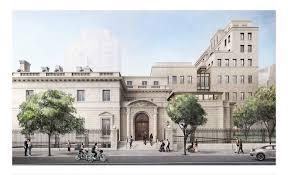
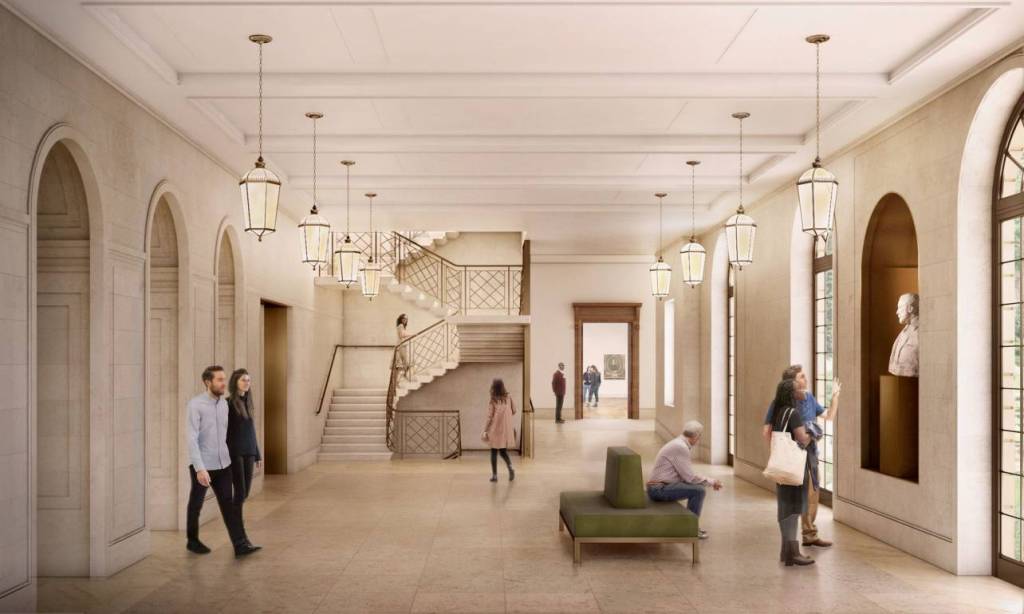
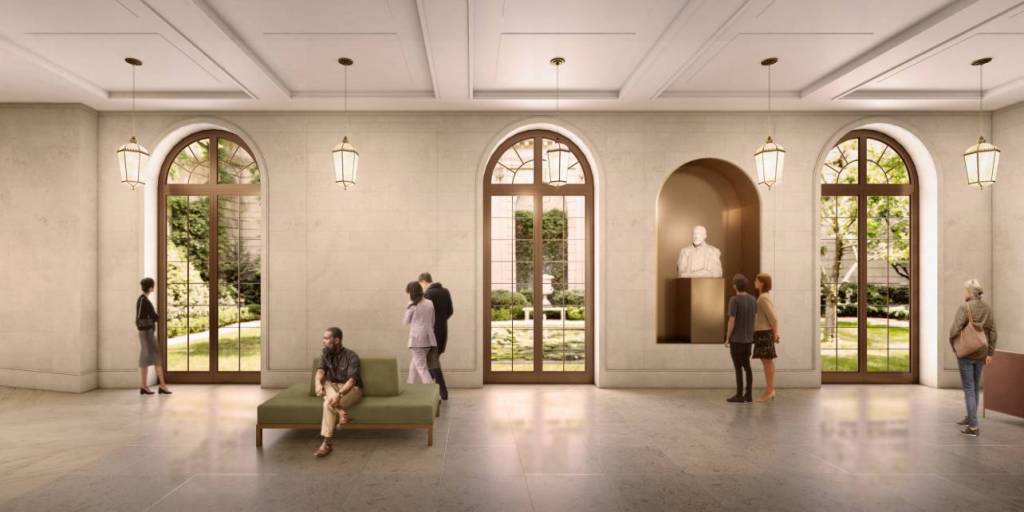
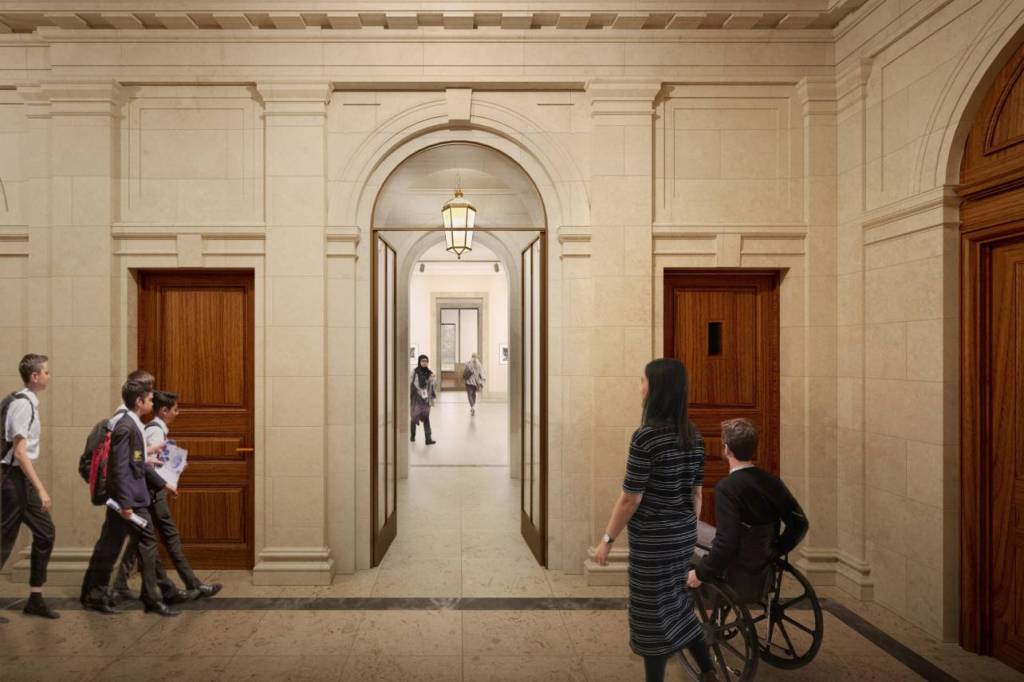
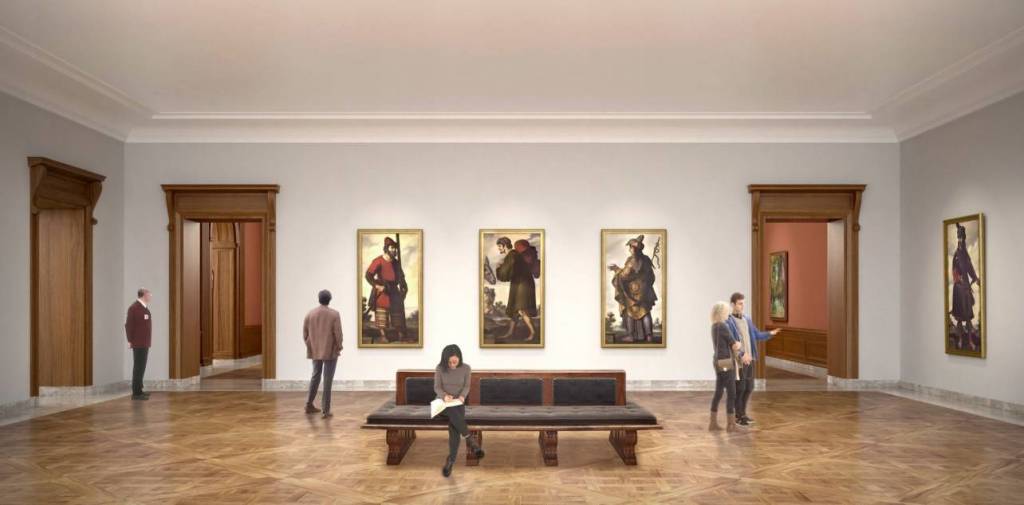
     As far as improvements go, a lot has been done over the years, especially within the infrastructure things like heating, ac, lighting, insulation, fireproofing and many more amenities have been added or upgraded. All the skylights have been replaced as well. Selldorf Architects is the firm who is going to the full renovations, all in keeping with lead certifications and updating the building to Green standards. Some of what will be done will include; revamping the third floor to accommodate artwork, making the grand library more visible to the public, and adding Digital recourses to the library just to name a few. The architect selldorf works specifically with historic preservation cases     

The Architect (4)

     Sir Thomas Hastings was born in NYC, attended Columbia and later dropped out to work for the Herter Brothers, New York’s top furniture designer of the day. He then went into the E’cole de Beaux Arts and studied under a man by the name of Louis-Jules Andre. Andre was one of the heads of the school, had ties to the medici family and won the prix de Rome in 1847. His most famous work is the French Museum of Natural History In Paris.

     The Goal of the E’cole de Beaux Arts is to combine the classical antiquity left by roman and greek builders and combine it with the radical new way of think and building that is laid out by the enlightenment and  Neo-classicsm. When he got back from Paris and back into NYC he established the firm Carrere and Hasting. Carrere was also educated in the E’cole and their first project together was what is today part of Flagger College, the Ponce De Leon Hotel. They later went on to design most famously; the New York Public Library, the Tomb of the Unknown Solider and The Frick.

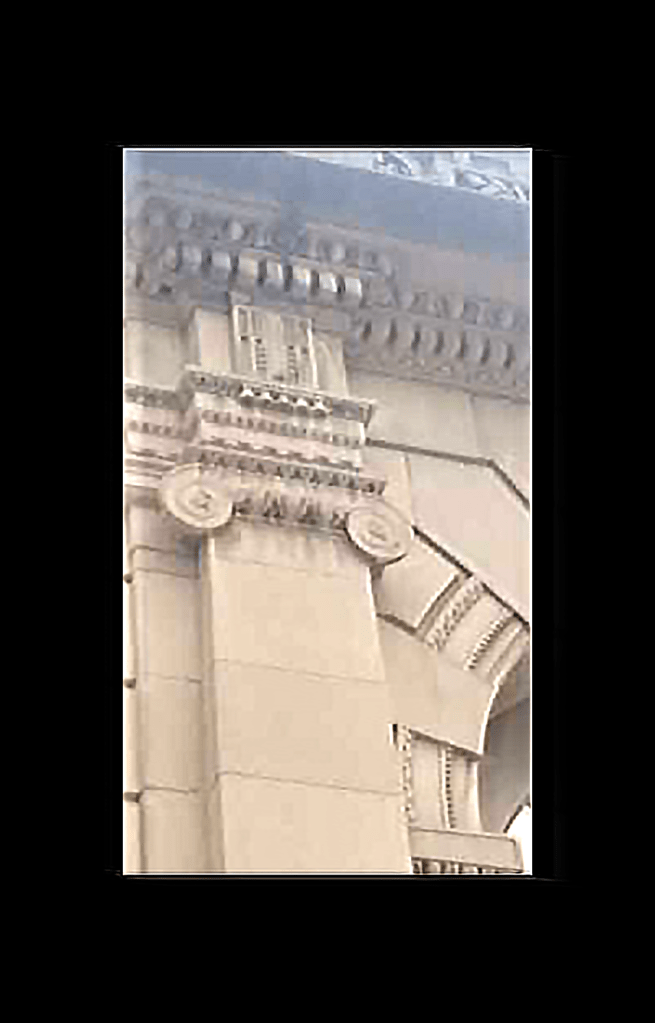
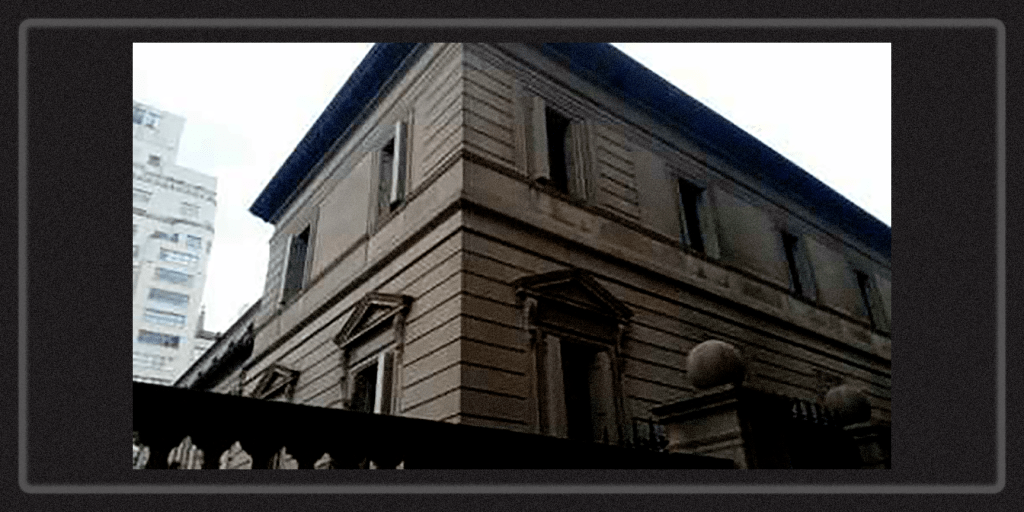
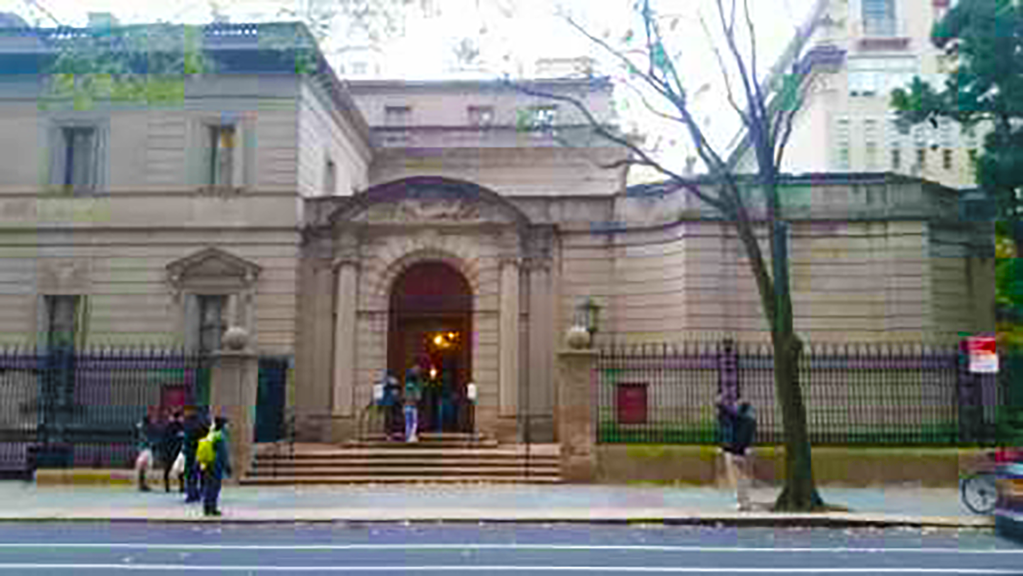
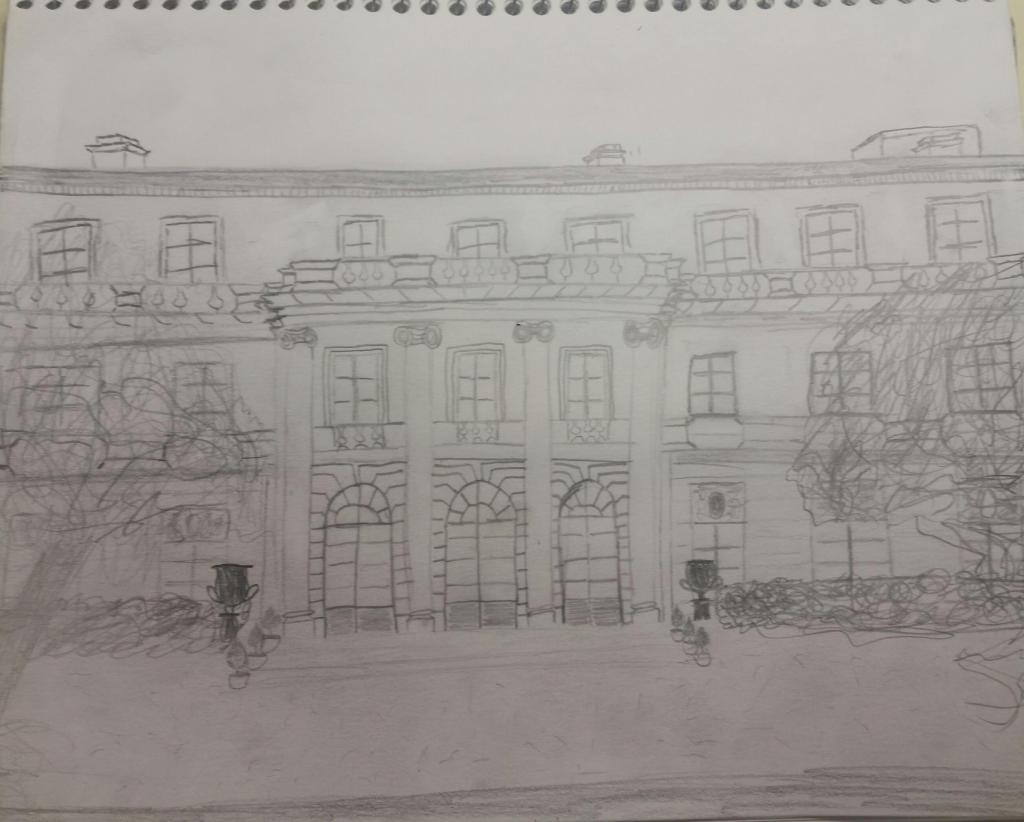
     The influences from the Beaux Arts is clear to see it has the basic principles of Classical antiquity yet it Bombastic and bulky in nature similar to buildings like the Blenheim Palace and Versailles that are more Baroque in nature. These two styles created buildings like the Frick Collection in Beaux Arts.   
History Of the building and highlights to look for (3)

     Like I mentioned earlier, The Frick collection was originally a mansion for a man by the name of Henry Clay Frick. Frick was an investor and an advocate for the unions and the arts. He was most notably famous for manufacturing Petroleum coke and being the right hand man to Andrew Carnegie the first person to mass produce steel and the richest man in the world at the time.

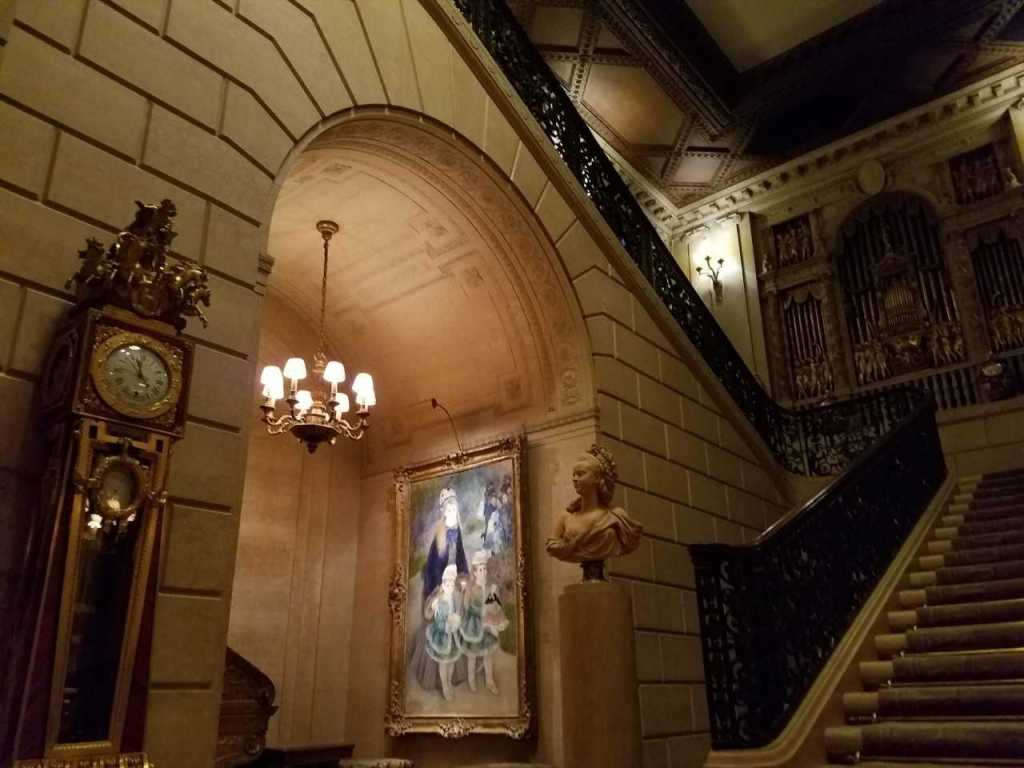
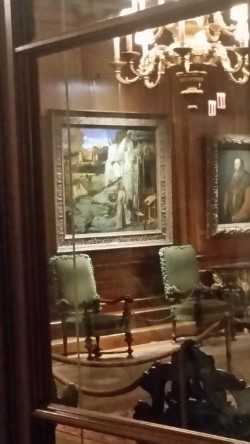
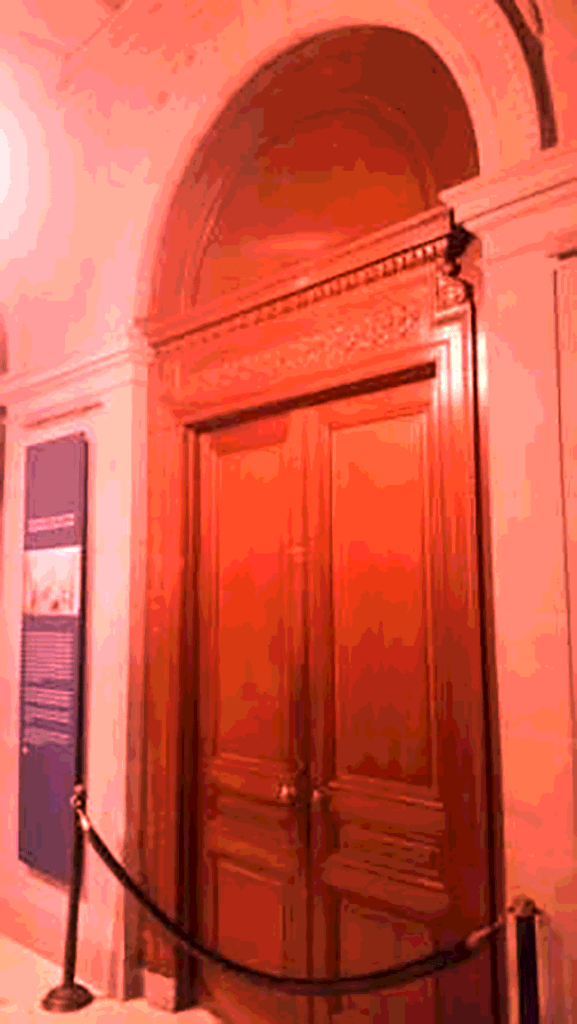
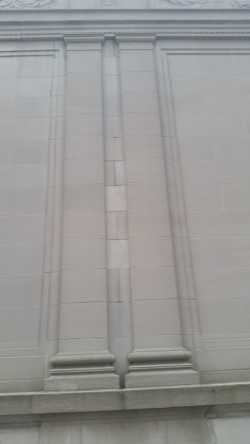
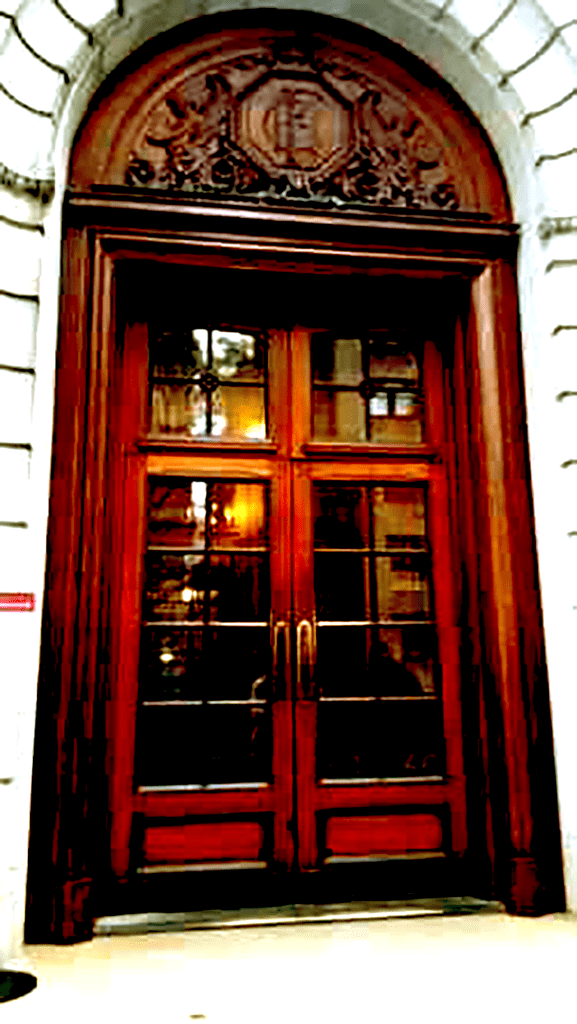
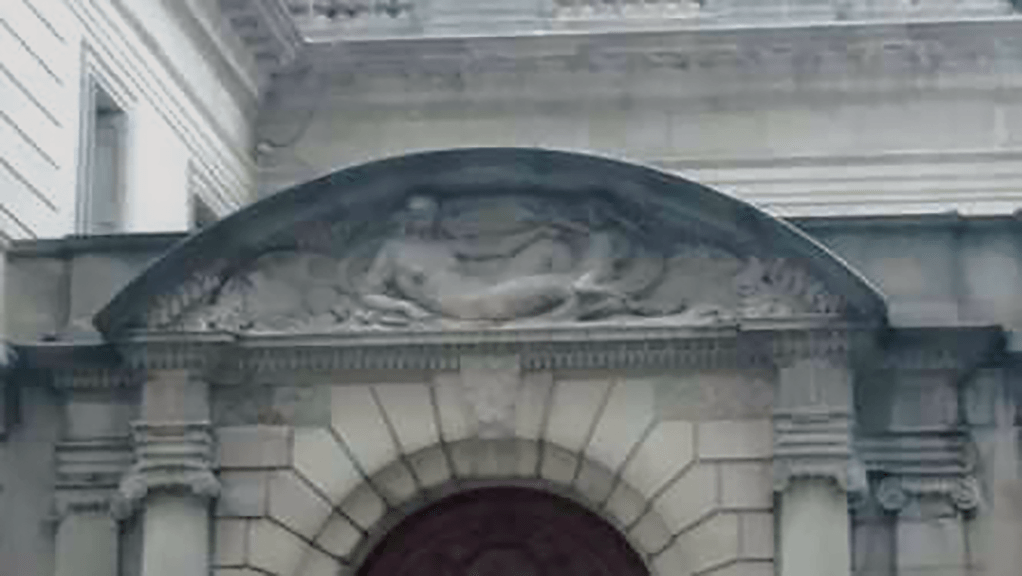
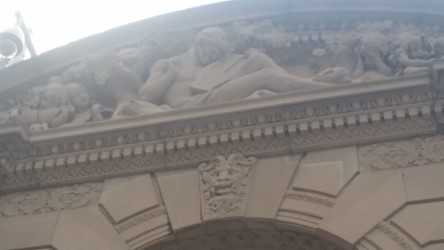
     The Architect, Sir Thomas Hastings who we’ll talk more about in the next slide went on to become a world famous architect, he was educated at Columbia and was trained at the E’cole De Beaux Arts. Some highlights to pay attention to that make the building what it is is most importantly the classical orders that make up the wall and how the artwork is displayed in domestic settings and the interior architecture and furniture. 
Planning and Preparation (2)

     Once, you checked out the website, the way to get up there is to take a train to penn station and then from there you walk up a couple blocks. Your gonna pass Macy’s and herald square and you gonna go down into the subway and take the N train to 5th ave and 59th st. From there its a 10 minute walk north to 70th street and the Frick collection is right on the corner and is adjacent to 5th ave.
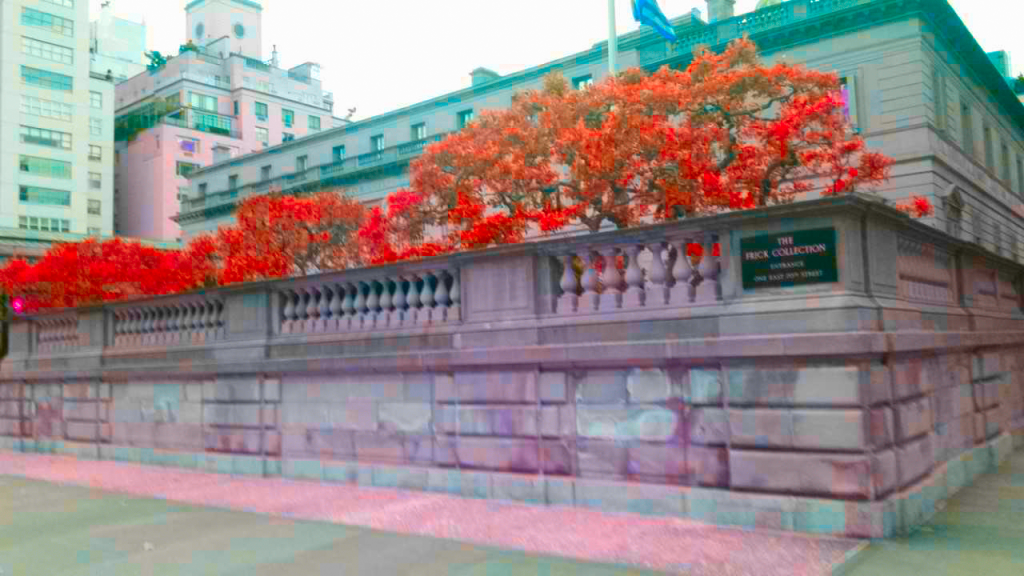
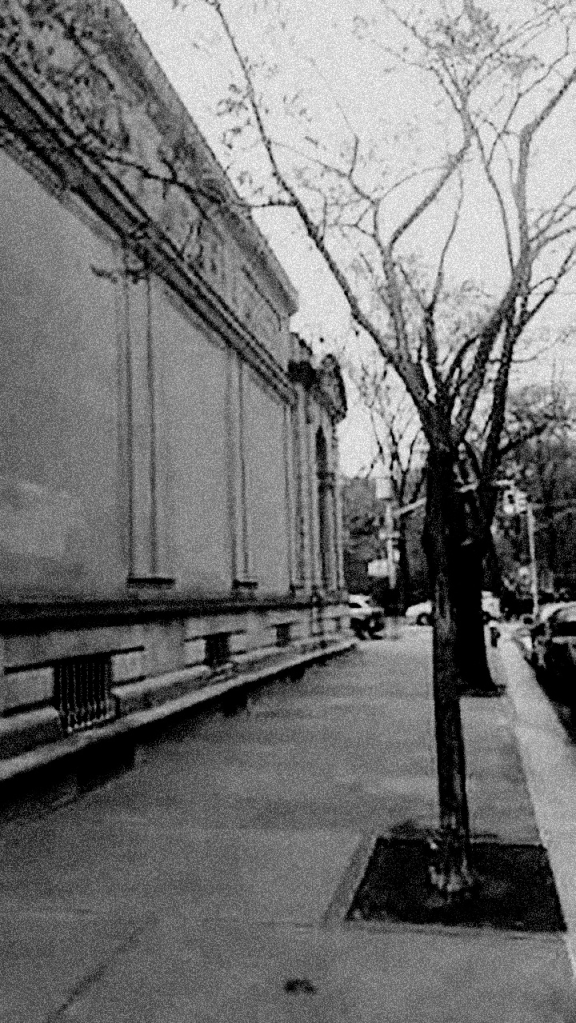
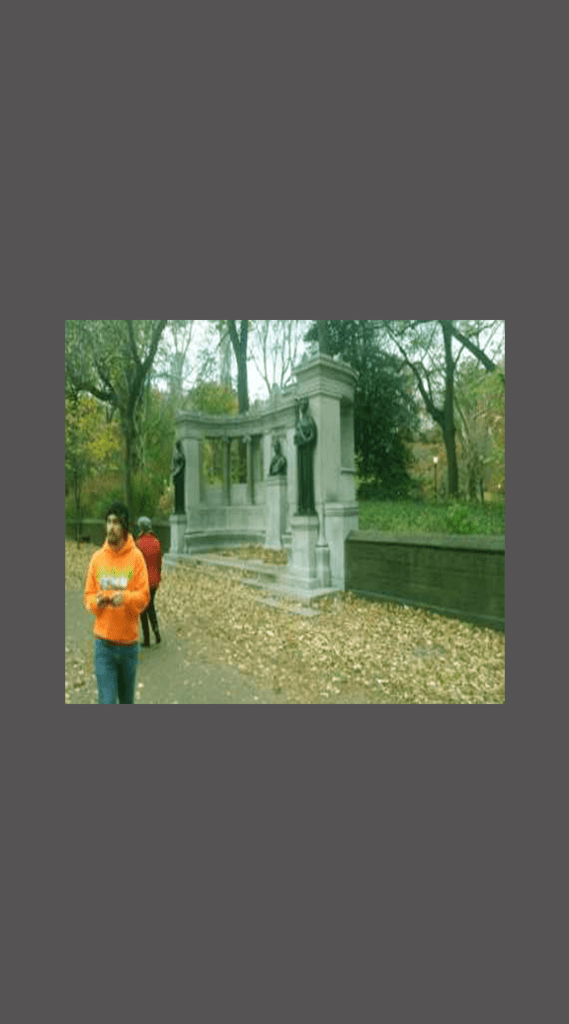
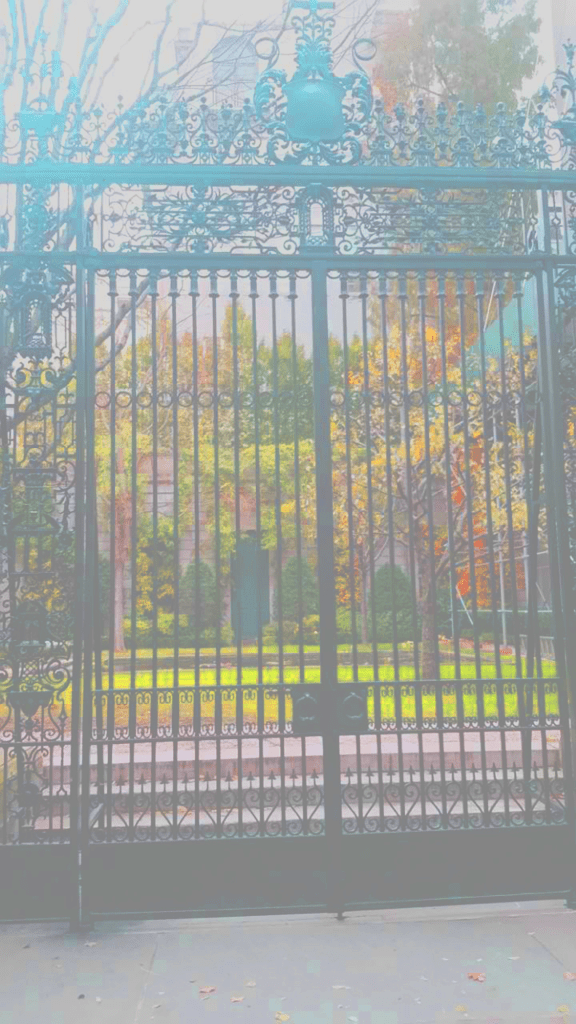
     We went in November which is peak leaf falling season in the fall and the atmosphere that is created because of it is truly astonishing. The fall foliage of Central Park creates a dialogue between the modernity of 5th ave and the surounding buildings and the Neo-Classicial architecture of the Frick. An impressive site to see If your gonna go I would definitely recommend going in the fall like I did. You’ll really be able to see it in a couple slides when I get to the outside pictures. If you go on a Wednesday like we did its pay what you wish too!!

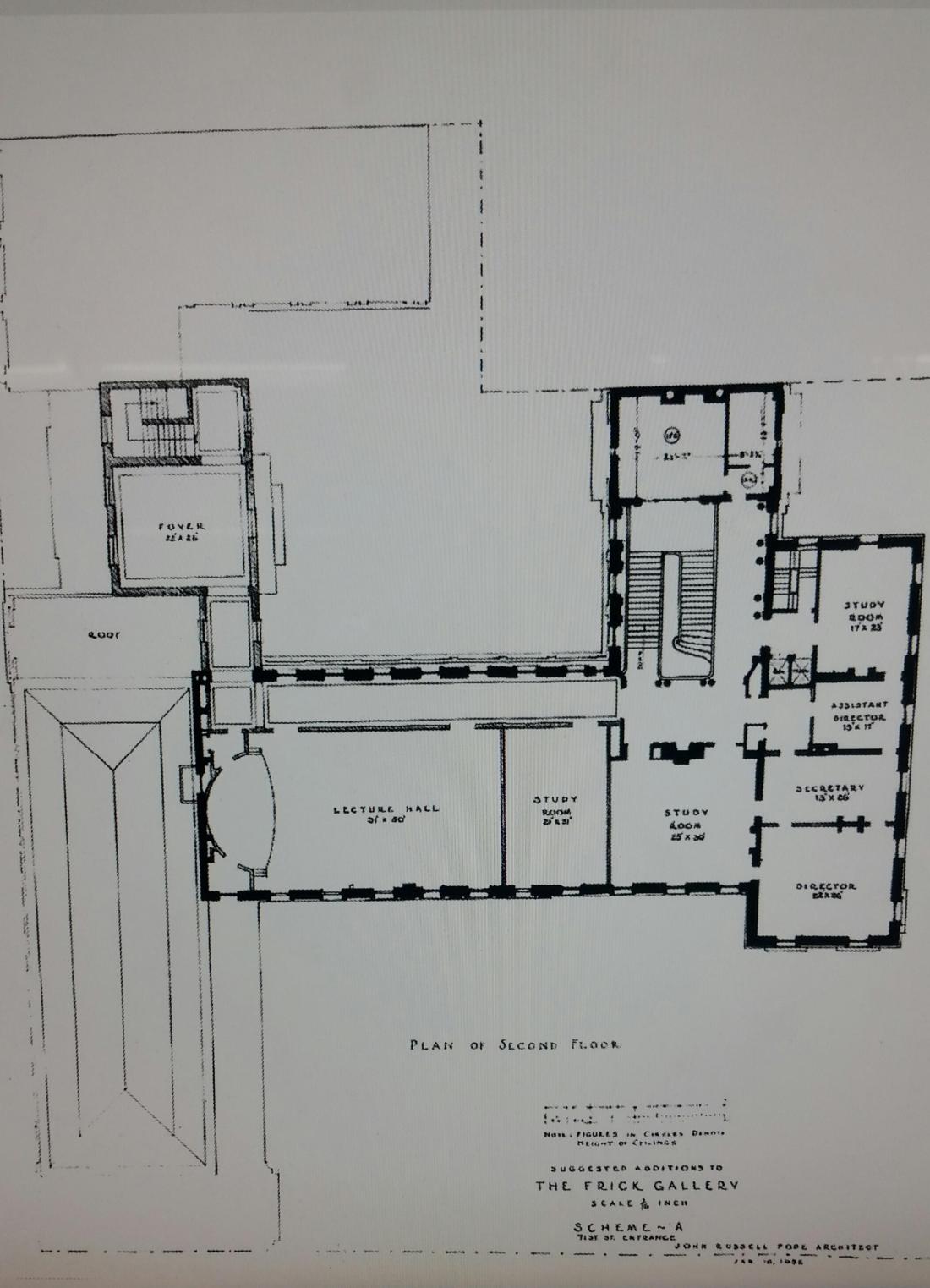
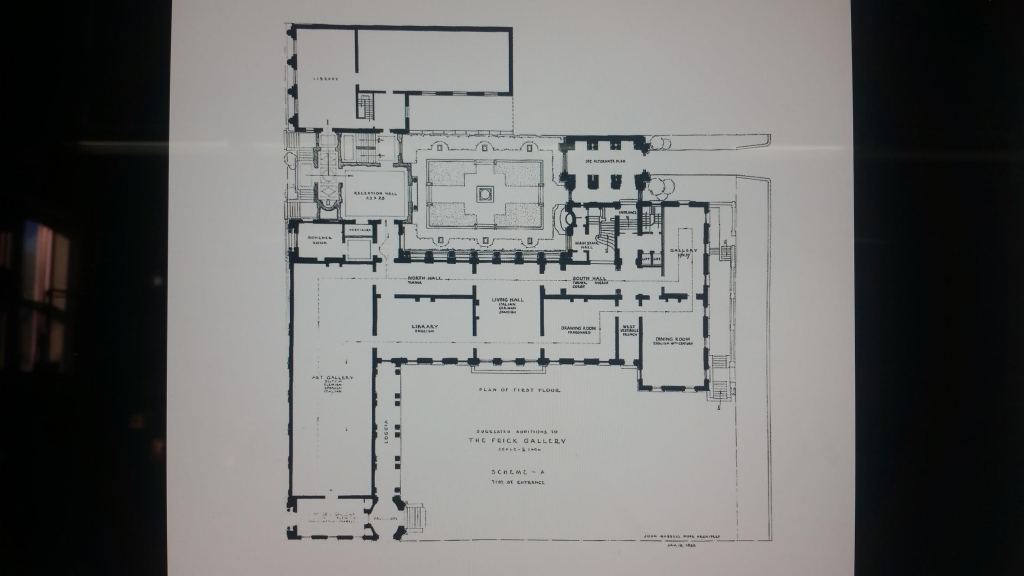
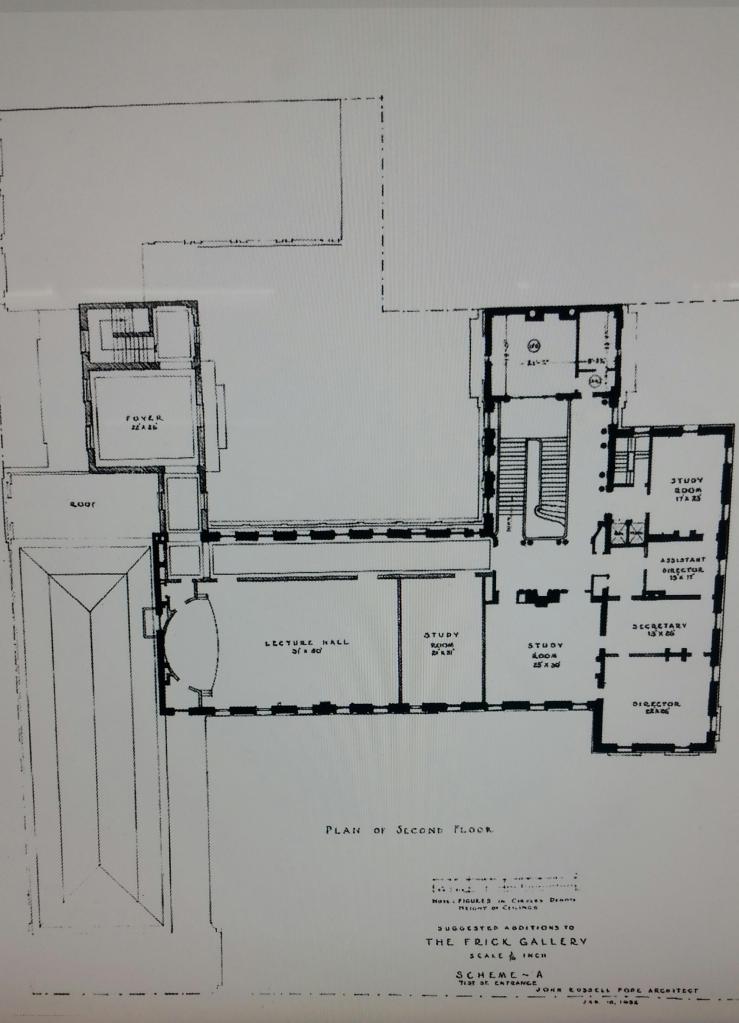
     As far as plans, The earliest plans you are able to find are from 1931, when a man by the name of John Russell Pope expanded and altered the building to fit it’s new function as a public museum and no longer a private residence. You can find these plans In the Avery/GSAPP section of Columbia University where that section of their library is devoted to Architectural plans and sections for Architectural landmark buildings. 

First Floor Plan 
Second Floor Plan 


The Frick collection (1)

By: Scott Gleason   

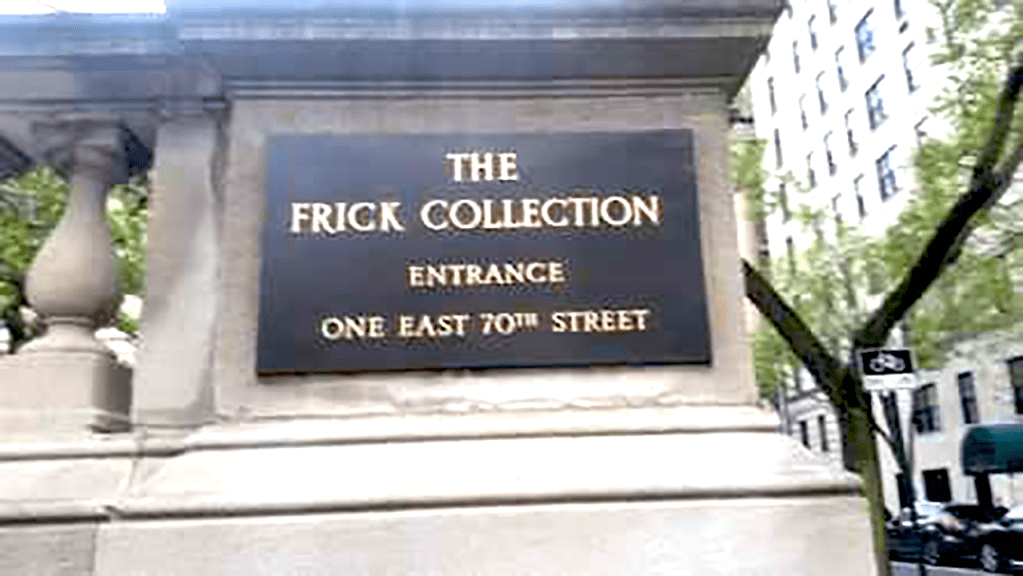
      The purpose of this blog is to educate people interested in renaissance architecture and the buildings that surround it. Specifically, this blog in particular is about the Beaux Arts and the building I choose to focus on is the Frick Collection in NYC. Out of the buildings we had to choose from this building stood out to me for a number of reasons, I liked that it was somebody’s  mansion back in the day and reading up on the history of it was really interesting to learn about.  

     The assignment was in groups and I went with my friend Casey up there. Where everybody’s go to museum in the city is the met, Going to the Frick was nice because it really wasn’t that crowded when we went. It really gave me time to experience the art, sculptures, and the architecture that makes up the building without any rush. If you eventually plan on going I would recommend first and foremost to start at their website. I was able to find out loads of information about the Frick, such as the history, how to get there, whats currently on exhibit, etc. to make things even eaiser here’s the link to their website

                                                  https://www.frick.org